Key Theory
Narrative:
Todorov's Narrative Theory:
- He created a theory in 1969 and he thought that this theory could be applied to any kind of film.
- He also believed that each and every film was following the same narrative pattern every time.
- He felt that the pattern fell into 5 different stages:
- Equilibrium: where we first meet the characters of the film
- Disruption: where something occurs which affects the characters lives.
- Realisation: when the characters realise that something needs to be done (about the disruption)
- Dis-equilibrium: where the characters are compelled to sort out the situation and try to fix it.
- New equilibrium: where everything is back to the way it was originally or at least better.
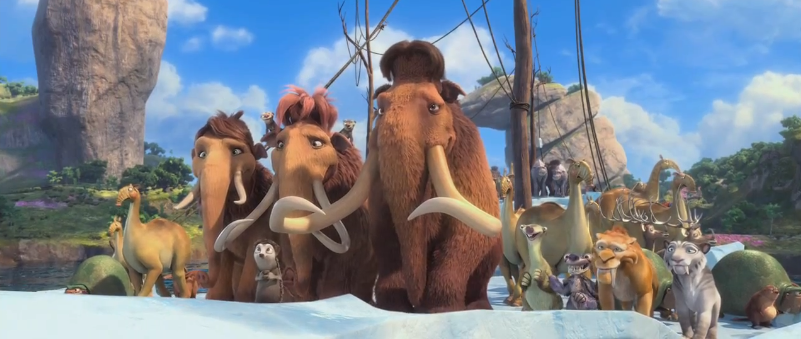
- Example: Ice Age 4
.JPG/revision/latest?cb=20120701222009)
Disruption: The disruption is when the characters are separated by a disaster. And are kidnapped by pirates.

Realisation: The realisation is that they realise they need to work together in order to get home to the others.

Dis-equilibrium: the dis-equilibrium is where the characters fight against the bad characters who are stopping them from going home.


New equilibrium: Unfortunately their home is destroyed but they find a new home and they are all together.
Roland Barthes Narrative Theory:
- His job was to be a semiologist and his job was being paid to look at "texts"and figure out how they were put together.
- For example a text can be like a ball of string; can it be unravelled in more than one way?
- It was his idea that texts could either be Closed or Open
- Closed: there is only one thread to pull
- Open: can be unravelled in various different ways
- He believed that the threads you pull on to attempt and find the meaning are called Narrative Codes
- He also believed that these included Action and Enigma Codes
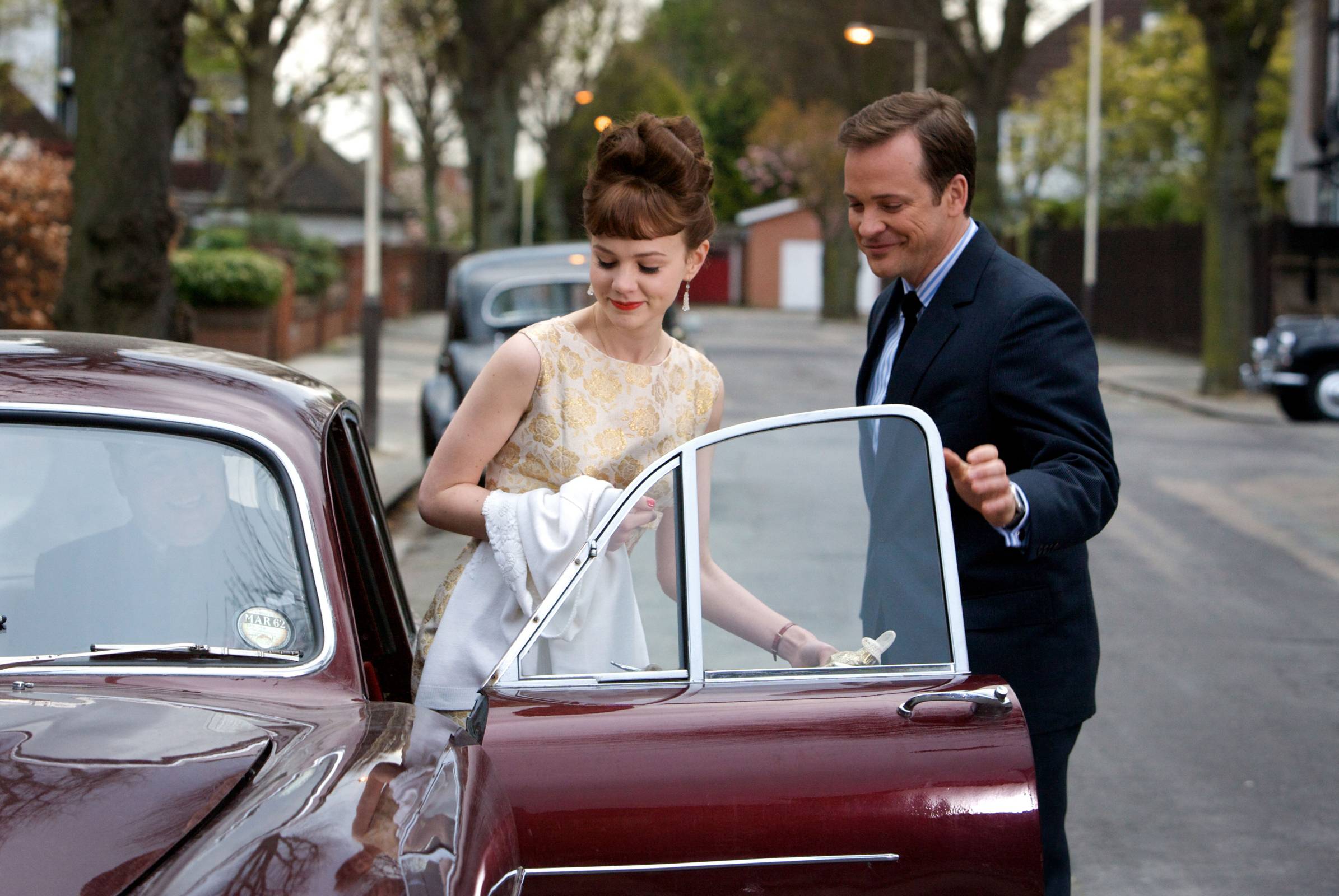
- Action codes: are specific events in which move on the narrative in a certain direction. For example if some one gets into a car you predict that obviously they will drive it. This applies to any action that implies a further narrative action
- Enigma codes: These codes raise questions in the audiences minds which are then answered soon after or later on in the film. Questions like: who is he? where is she going? what are they doing? These codes refer to any part within a story that isn't explained and so it exists as an enigma for the audience, which is raising questions in their minds that demand an explanation.
 Levi Strauss Binary Oppositions:
- He believed that our world was split into a series of binary opposites
- Binary Opposites means that we only understand was like good means when you see bad or can only be defined for something it isn't. For example a hero is only the hero if there is a villain in the frame too.
Vladimir Propp's Character Codes:
- He created a character theory in order to study media and productions.
- He analysed 100 tales and found 8 distinctive character types which can be applied to all media.
- The character types would be:
- Hero - the major character who the reader will generally associate most strongly and the key character within the story.
- Villain - the villain is typically morally bad which accentuates how good the hero is and is the one who struggles directly against the hero.
- The Princess/Female Love Interest - she could be the woman who the hero falls head over heels for, maybe has to rescue from the villain.
- The Helper/Sidekick - this character helps the hero in their quest and is supportive in critical moments.
- The Donor - this character gives the hero something special like a magical object or clothing or words of wisdom
- The Dispatcher - this character has an early role of dispatching the hero on a mission e.g James Bond
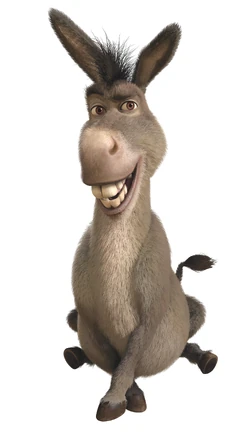
- The False Hero - the characters whose intentions seem good at first but as the story progresses we find that they have an ulterior motive. Perhaps working for the villain or can actually be the villain. e.g Sky High
- The Princess's Father - a character who constrains the princess or can be the dispatcher who send the hero to save the Princess.
Example Film: Shrek 2
Hero:

Villain & Donor:

Princess/Love Interest:

The Helper/Sidekick:
False Hero:

Princess's Father & Dispatcher:

Princess's Father & Dispatcher:
Representation Types:
- Age

- Gender

- National/Regional Identity

- Race

- Disability

- Class

Laura Mulvey’s Male Gaze Theory
·
Visual pleasure and Narrative Cinema was an
essay that was written by Laura Mulvey in 1975.
·
The essay coined the phrase male gaze, which
became a film theory.
·
The theory suggests that the male gaze denies
women human identity, downgrading and objectifying them, only to be admired for
physical appearance.
·
It suggests that women can more often than not
only watch a film from a secondary perspective and not from a mans point of
view.
·
The theory suggests that the presence of a woman
in mainstr eam film texts is vital. The
theory suggested that the female character hasn’t real importance and that it’s
about how she makes the male feel or act.
·
The male gaze leads to Hegemonic ideologies
within our society. Hegemonic means ruling or dominant in a political or social
context.
·
Mulvey states that the role of a female
character in a narrative has two functions:
1.
As an erotic object for the characters within
the narrative to view
2.
As an erotic object for the spectators within
the cinema to view
·
Mulvey also discussed the term “Socophilia” It
means the love of watching. Movie-making and movie-viewing have long been
analysed as socophilic practices.
·
Patriarchal society: men dictating the rules
e.g. Obama, David Cameron
Stanley Cohen Theory
- he believes that particular groups in society are 'demonised' and 'marginalised' through negative representations which may have the effect of causing a 'moral panic' where the majority of society fears that social group.
- Witch hunts are an example of mass behavior fueled by moral panic.
There are five main points to do with this theory :
- Concern – There must be belief that the behaviour of the group or category in question is likely to have a negative effect on society;
- Hostility – Hostility towards the group in question increases, and they become 'folk devils'. A clear division forms between 'them' and 'us';
- Consensus – Though concern does not have to be nationwide, there must be widespread acceptance that the group in question poses a very real threat to society. It is important at this stage that the 'moral entrepreneurs' are vocal and the 'folk devils' appear weak and disorganized;
- Disproportionality – The action taken is disproportionate to the actual threat posed by the accused group;
- Volatility – Moral panics are highly volatile and tend to disappear as quickly as they appeared due to a wane in public interest or news reports changing to another narrative.

No comments:
Post a Comment